Artificial grass is a versatile and low-maintenance option for transforming your outdoor space, but achieving a flawless finish starts with proper ground preparation. Whether you’re installing it in your backyard, a sports area, or a commercial space, following these steps ensures a smooth and durable surface.
Step 1: Plan the Area
Start by deciding where you want to lay the artificial grass and marking out the area. Measure the dimensions carefully to determine the amount of artificial grass and other materials you’ll need. Clear any furniture, rocks, or obstacles to make the area accessible.
Step 2: Remove Existing Turf and Vegetation
Use a spade or turf cutter to remove the existing grass, weeds, and vegetation. Dig down to a depth of at least 2-3 inches (5-7 cm) to ensure the new surface is level and free of organic matter that could decompose and cause unevenness over time.
Step 3: Level the Ground
Once the area is cleared, use a rake to remove debris and level the surface. It’s important to achieve a smooth, even base to prevent lumps or dips from appearing in the artificial grass. If necessary, compact the soil using a tamper or a plate compactor.
Step 4: Apply a Weed Barrier
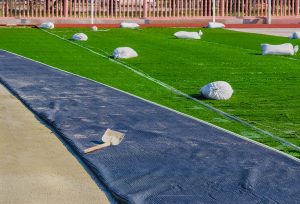
Lay down a geotextile fabric or weed barrier to prevent future weed growth. This layer is essential to ensure your artificial grass stays maintenance-free and pristine. Secure the fabric with landscape pins or staples to keep it in place.
Step 5: Add a Sub-Base Layer
Spread a layer of crushed rock, gravel, or decomposed granite across the area. This sub-base provides stability and promotes proper drainage. Aim for a depth of 2-3 inches (5-7 cm). Once spread, use a compactor to press the material firmly, ensuring a solid and even base.
Step 6: Apply Sand for Smoothing
Spread a thin layer of sharp sand over the sub-base to create a smooth surface. Use a screed or a flat board to distribute the sand evenly. Compact the sand layer once more to achieve a firm foundation.
Step 7: Check the Gradient
Ensure the ground has a slight slope to allow for proper drainage. Artificial grass is permeable, but water still needs a direction to flow. A gradient of 1-2% is usually sufficient to prevent pooling.
Step 8: Final Inspection
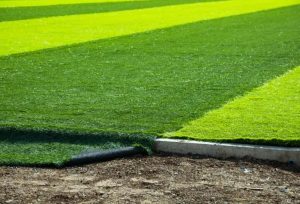
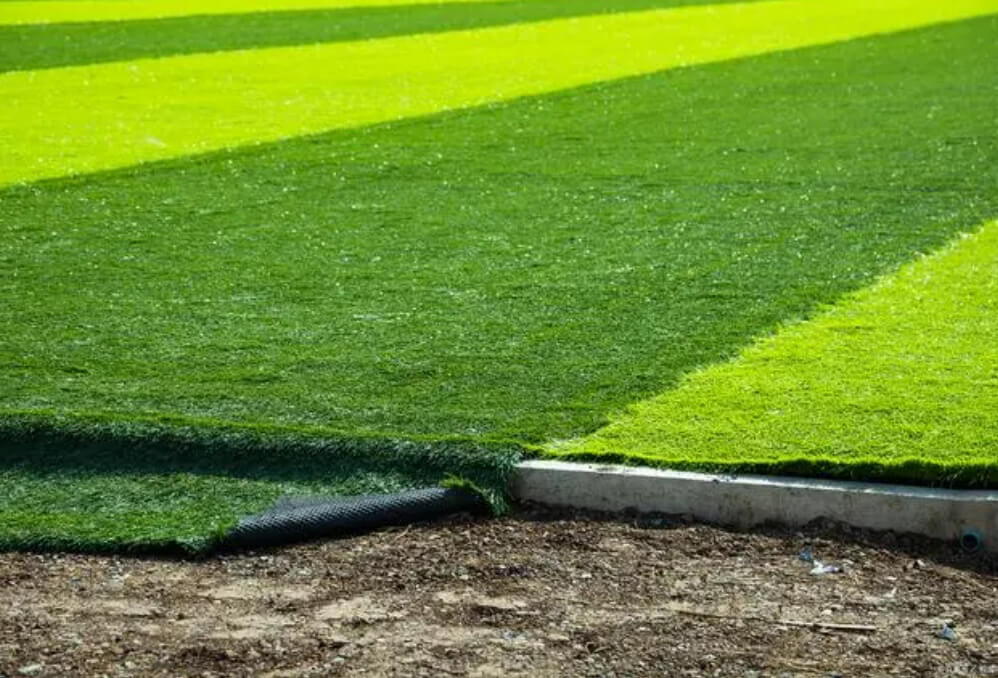
Before laying the artificial grass, inspect the prepared ground for any imperfections. Remove any debris and ensure the surface is level and compact. A well-prepared base sets the stage for a professional-looking installation.
Conclusion
Taking the time to prepare the ground properly is crucial for a successful artificial grass installation. With a stable base and proper drainage, your artificial lawn will stay durable, even, and visually appealing for years to come. Follow these steps, and you’ll be well on your way to enjoying a hassle-free, beautiful outdoor space.