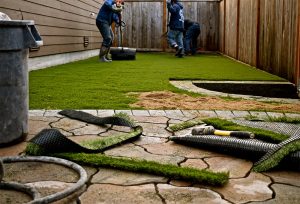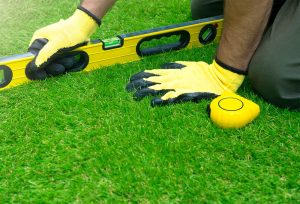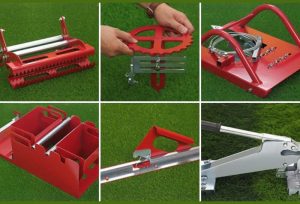
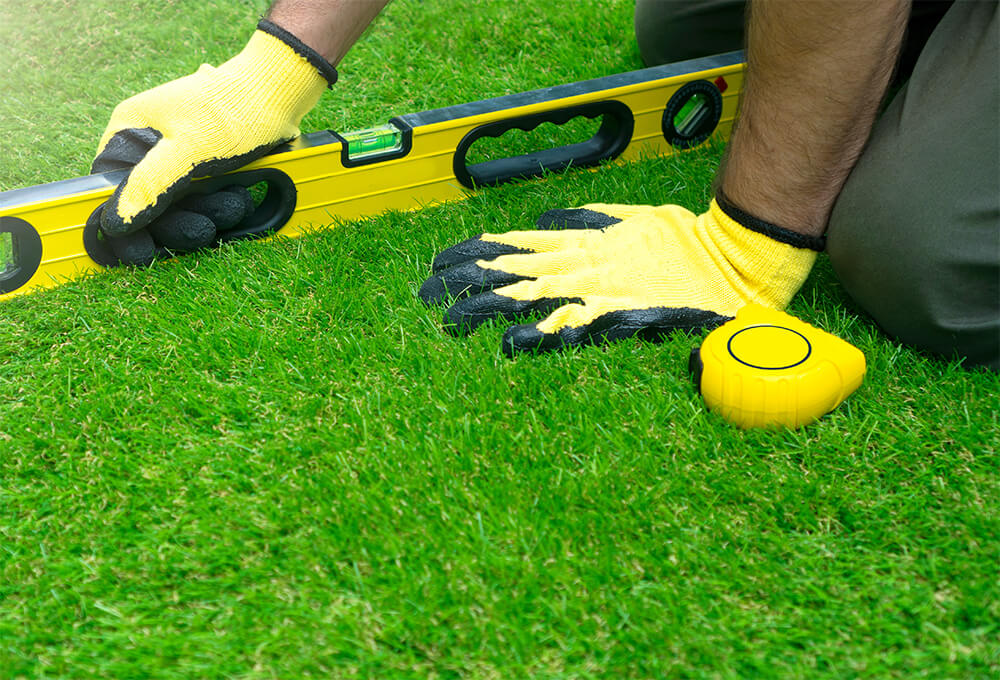
Installing artificial turf can transform your outdoor space into a vibrant, low-maintenance area. Whether it’s for a backyard, playground, or sports field, using the right tools and materials ensures a professional finish. Here’s a comprehensive guide to the tools and materials you’ll need for a successful artificial turf installation.
Essential Tools for Artificial Turf Installation
1. Measuring Tape
- Use a measuring tape to accurately determine the dimensions of the installation area. Precise measurements are crucial for cutting the turf to fit perfectly.
2. Utility Knife
- A sharp utility knife is essential for cutting the turf. Make sure to have spare blades for clean, precise cuts.
3. Shovel and Rake
- These tools help prepare the ground by removing debris, leveling the surface, and distributing base materials evenly.
4. Plate Compactor
- A plate compactor is used to compact the base material, ensuring a solid and even foundation for the turf.
5. Turf Cutter or Scissors
- Turf cutters or heavy-duty scissors help with trimming and shaping the edges of the turf to fit irregular spaces.
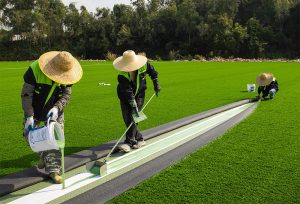
6. Seam Roller
- A seam roller ensures proper adhesion between turf pieces, creating seamless joins.
7. Staple Gun or Turf Nails
- These tools secure the turf to the ground. Turf nails are particularly useful for anchoring the edges.
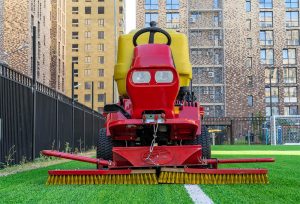
8. Power Broom or Stiff Brush
- A power broom or stiff brush helps lift the turf fibers and distribute the infill material evenly.
9. Water Hose
- Wetting the surface can help compact the infill material and settle the turf fibers.
10. Gloves and Safety Gear
- Protect your hands and ensure safety during the installation process with durable gloves and goggles.
Key Materials for Artificial Turf Installation
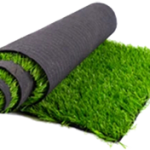
1. Artificial Turf
- Choose high-quality turf suitable for your specific application, whether it’s landscaping, sports, or pet-friendly turf.
2. Base Material
- Crushed stone or decomposed granite serves as the foundation, ensuring proper drainage and stability.
3. Weed Barrier Fabric
- A weed barrier prevents weed growth under the turf, maintaining its pristine appearance.
4. Adhesive and Seaming Tape
- Adhesive and seaming tape are used to join turf pieces seamlessly.
5. Infill Material
- Silica sand, rubber granules, or organic infill add weight, improve turf stability, and enhance the appearance by keeping fibers upright.
6. Edging Materials
- Edging materials like bender boards or landscape timbers provide a clean border and help keep the turf in place.
Step-by-Step Installation Overview
1. Site Preparation
- Clear the area of debris and vegetation. Level the ground and install a weed barrier.
2. Base Installation
- Spread and compact the base material to create a stable foundation.
3. Turf Placement
- Roll out the turf and position it to cover the area. Trim the edges as needed.
4. Seaming and Securing
- Use adhesive and seaming tape to join turf pieces. Secure the edges with turf nails or staples.
5. Infill Application
- Distribute the infill material evenly and brush the turf fibers upright.
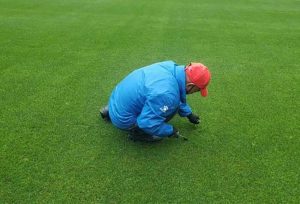
6. Final Inspection
- Check for any uneven areas, secure loose edges, and ensure the turf looks natural and smooth.
Conclusion
Having the right tools and materials is key to achieving a professional-looking artificial turf installation. Investing in quality products not only simplifies the process but also ensures the durability and longevity of your turf. By following this guide, you’ll be well-equipped to create a stunning artificial turf space that lasts for years to come.