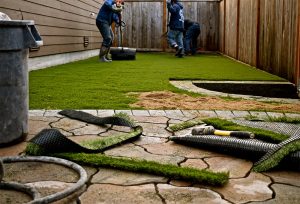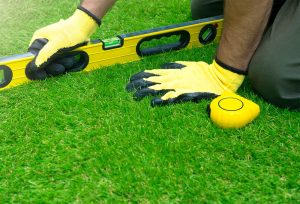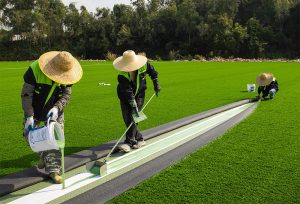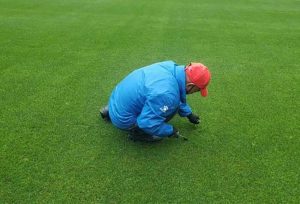
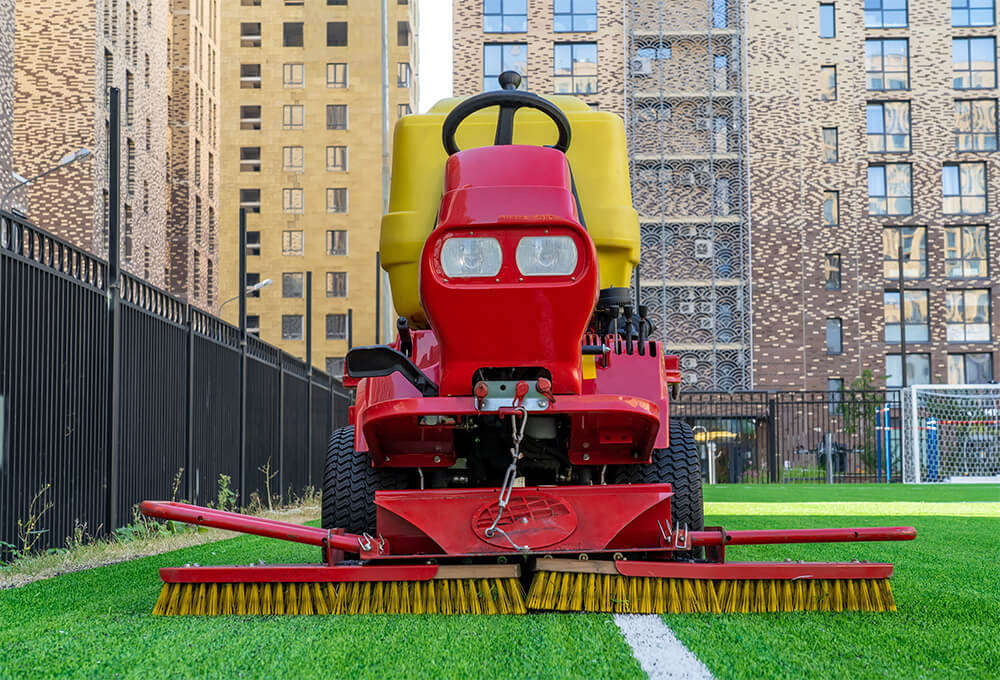
Artificial turf has become a popular choice for residential lawns, sports fields, and commercial spaces. Its durability and low maintenance make it an attractive alternative to natural grass. However, even artificial turf requires some upkeep to maintain its appearance and functionality. In this guide, we’ll cover the essential steps for cleaning and maintaining artificial turf, ensuring it remains in top condition for years to come.
Why Clean Artificial Turf?
While artificial turf doesn’t require mowing, fertilizing, or watering, it’s not entirely maintenance-free. Dirt, debris, pet waste, and weather conditions can affect its look and longevity. Regular cleaning can:
- Prevent odors caused by bacteria buildup.
- Maintain its lush, green appearance.
- Prolong the turf’s lifespan.
- Reduce the risk of mold and mildew.
- Ensure a safe and clean environment for pets and children.
Essential Tools for Cleaning
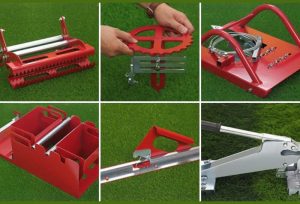
To clean artificial turf effectively, you’ll need a few basic tools:
- Broom or Brush: A stiff-bristled brush is ideal for loosening dirt and fluffing up the turf fibers.
- Garden Hose: For rinsing away dirt and debris.
- Leaf Blower or Rake: To remove leaves, twigs, and other loose debris.
- Mild Detergent: For tackling tough stains and pet waste.
- Artificial Turf Deodorizer (Optional): To eliminate odors.
Step-by-Step Cleaning Process
1. Remove Surface Debris
Start by removing loose debris such as leaves, twigs, and litter. Use a leaf blower or rake for larger areas. Regular debris removal prevents clogging of the drainage system and keeps the surface looking tidy.
2. Brush the Turf
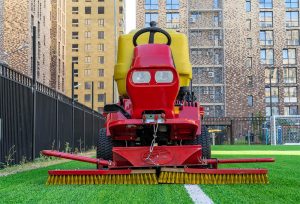
Brush the artificial grass with a stiff-bristled broom or brush. This helps lift the turf fibers, which can flatten over time due to foot traffic or heavy use. Brush in different directions to maintain a natural look.
3. Rinse with Water
Using a garden hose, rinse the turf to remove dirt and dust. For best results, do this on a sunny day to allow the turf to dry quickly. Pay extra attention to high-traffic areas.
4. Spot Clean Stains
For stains caused by food, drinks, or other substances, use a mixture of mild detergent and warm water. Apply the solution to the stained area and gently scrub with a soft cloth or brush. Rinse thoroughly with water.
5. Address Pet Waste
If you have pets, remove solid waste promptly and rinse the area with water. For lingering odors, use a turf-safe deodorizer or a solution of vinegar and water. Spray the affected area and let it air dry.
6. Inspect and Repair
Regularly inspect your artificial turf for signs of wear, tear, or damage. Repair small issues promptly to avoid more extensive problems later.
Seasonal Maintenance Tips
- Spring and Summer: Increase rinsing frequency during warmer months to prevent odors and bacteria buildup.
- Fall: Clear fallen leaves regularly to avoid clogging the drainage system.
- Winter: Brush off snow with a broom. Avoid using sharp tools that could damage the turf.
Additional Considerations
- Avoid using harsh chemicals or bleach, as these can damage the fibers.
- Keep heavy furniture or equipment from resting on the turf for extended periods to prevent matting.
- For commercial or sports applications, consider professional cleaning services for deep cleaning and maintenance.
Conclusion
Cleaning artificial turf is a straightforward process that requires minimal effort compared to maintaining natural grass. By following these steps and staying consistent with upkeep, you can keep your artificial turf looking vibrant and functional year-round. Whether for a backyard, playground, or sports field, a clean turf enhances its usability and aesthetic appeal.