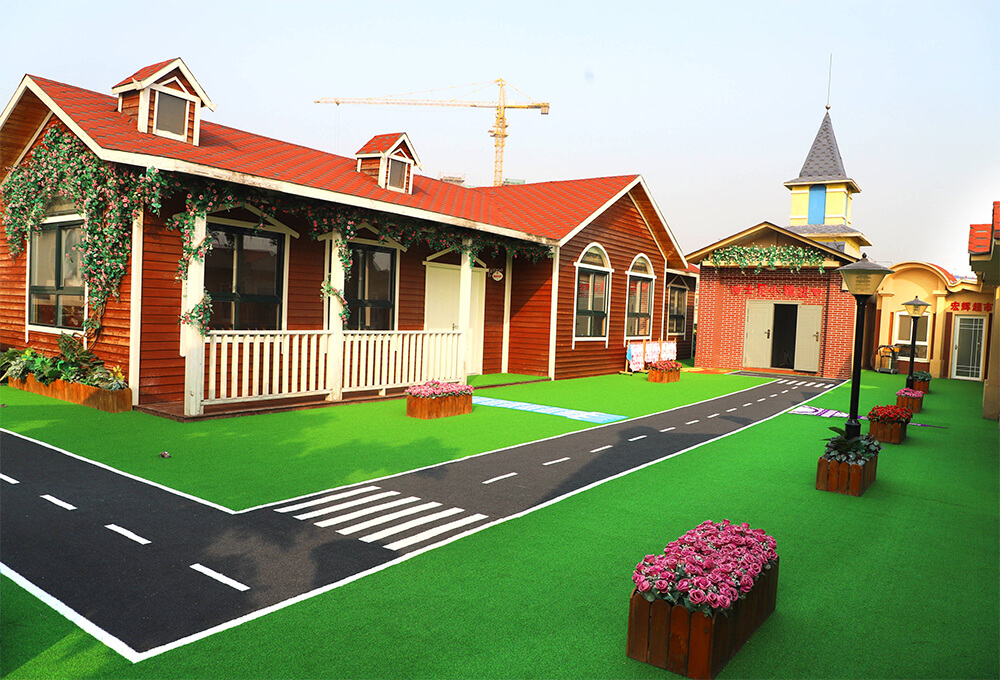
In today’s dynamic world, artificial turf has evolved far beyond its original uses. While synthetic grass is commonly associated with sports fields or playgrounds, it is now being embraced for residential, commercial, and creative spaces. Customized turf represents the pinnacle of flexibility, design, and performance, offering tailored solutions to meet unique requirements. Whether you’re a landscape designer, sports facility manager, or homeowner looking for the perfect fit, understanding the world of customized turf will empower you to make informed decisions.
This blog will explore everything you need to know about customized turf—its advantages, design possibilities, manufacturing process, and practical applications. By the end, you’ll discover how tailored artificial grass can transform spaces with durability, aesthetics, and purpose-driven performance.
What is Customized Turf?
Customized turf refers to artificial grass that is designed and manufactured according to specific requirements. Unlike standard turf, customized turf allows you to personalize features like:
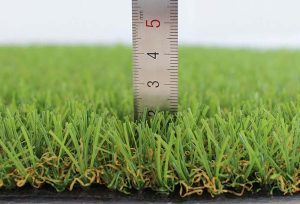
- Blade Shape and Pile Height: Depending on the intended use, you can select blade shapes (oval, flat, C-shaped) and pile heights (short for sports fields, medium for landscaping, or tall for luxurious aesthetics).
- Color Variations: Modern turf can include a mix of green shades, browns, and even vibrant custom colors for branding or creative designs.
- Density and Backing: Turf density impacts softness and durability, while backing materials can enhance drainage or grip.
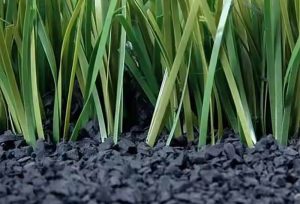
- Infill Options: From silica sand to rubber granules, the infill can be tailored for specific applications like sports or pet-friendly surfaces.
- Logos and Patterns: Businesses, sports teams, or organizations can embed logos, patterns, or graphics directly into the turf.
The customization process ensures the final product meets both functional and aesthetic goals, creating spaces that are visually striking and long-lasting.
Advantages of Customized Turf
1. Personalized Aesthetics
Customized turf can be designed to perfectly blend with your existing environment. Whether you want lush, natural-looking grass for a garden or bright, bold colors for a corporate event, the options are endless.
2. Performance Tailored to Purpose
Artificial turf used for a football field requires different specifications compared to turf for a rooftop garden. Customization ensures the turf meets specific performance demands, such as shock absorption, UV resistance, and wear tolerance.
3. Enhanced Durability
With personalized features, turf can be optimized to withstand heavy use, harsh weather, or unique environmental conditions. High-quality materials and tailored designs extend the product’s lifespan.
4. Environmental Benefits
Customized turf can contribute to eco-friendly goals. By eliminating water consumption, reducing the use of harmful pesticides, and incorporating recyclable materials, artificial grass becomes a sustainable alternative to natural lawns.
5. Cost-Effectiveness Over Time
While customized solutions may have a higher upfront cost, they provide long-term savings in maintenance, repairs, and replacements.
Design Possibilities with Customized Turf
1. Residential Landscaping
- Create a perfectly manicured lawn tailored to your space’s dimensions and aesthetics.
- Design pet-friendly zones with added durability and antimicrobial backing.
- Install rooftop gardens with lightweight turf engineered for drainage and insulation.
2. Commercial and Corporate Spaces
- Incorporate company logos or brand colors into outdoor spaces, office lawns, or event venues.
- Design relaxing green zones in hotels, shopping malls, or airports to attract customers.
3. Sports Facilities
- Tailor turf for sports like soccer, tennis, golf, or baseball with the correct pile height, density, and shock-absorbing infill.
- Embed field markings, logos, or team branding directly into the turf surface for a professional finish.
4. Playgrounds and Schools
- Install child-friendly turf with soft, shock-absorbent backing and bright, playful colors.
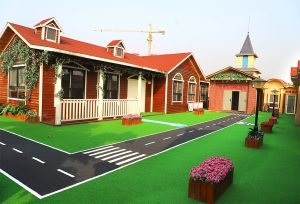
- Customize patterns, mazes, or game areas to encourage creativity and play.
5. Creative Installations
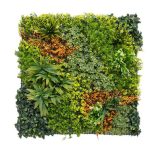
- Use artificial grass for walls, ceilings, art installations, and unconventional spaces.
- Design visually engaging trade show displays, festival grounds, or exhibition spaces.
6. Golf and Putting Greens
- Create custom putting greens with tailored grass speeds, hole placements, and contours.
- Ensure long-lasting durability with UV-protected, low-friction surfaces.
The Manufacturing Process of Customized Turf
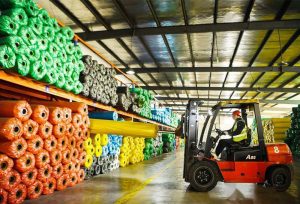
The production of customized artificial turf involves several precise steps to ensure the highest quality and customization standards. Here’s a breakdown of the process:
1. Consultation and Design
- The process begins with understanding the customer’s needs, from aesthetics to performance specifications.
- Detailed CAD (Computer-Aided Design) models are often used to visualize the final product.
2. Material Selection
- Premium synthetic materials, such as polyethylene, polypropylene, or nylon, are chosen based on durability, softness, and UV stability.
- For eco-conscious projects, manufacturers may incorporate recyclable or biodegradable materials.
3. Yarn Creation
- Artificial grass fibers (yarns) are extruded in specific shapes and colors.
- Blade shapes like W-shaped, V-shaped, or flat are selected to achieve desired aesthetics and performance.
4. Tufting Process
- The turf yarn is stitched onto a backing material using industrial tufting machines, creating the grass-like surface.
- The pile height, density, and stitch rate are adjusted based on customization needs.
5. Backing and Coating
- A secondary backing material (latex, polyurethane, or permeable options) is applied to provide stability, drainage, and durability.
- For specific uses like pet turf, antimicrobial coatings can be added.
6. Customization (Logos, Colors, and Patterns)
- Logos, designs, or colors are embedded directly during the tufting process or printed post-production.
- For sports fields, lines and markings are precision-applied for accuracy.
7. Quality Control and Testing
- Customized turf undergoes rigorous testing to ensure it meets quality standards for UV resistance, wear tolerance, and safety.
8. Installation Guidance
- For customized projects, manufacturers often provide tailored installation guidance or support to ensure the perfect finish.
How to Choose the Right Customized Turf
Choosing the right customized turf involves assessing your specific needs and project goals. Here are the factors to consider:
1. Purpose of Use
- For sports: Prioritize durability, shock absorption, and infill options.
- For residential: Focus on aesthetics, softness, and pet-friendliness.
- For creative spaces: Opt for bold colors, patterns, or logos.
2. Pile Height and Density
- Short pile: Best for sports fields or high-traffic areas.
- Medium pile: Ideal for general landscaping.
- Long pile: Perfect for luxury applications like gardens or poolside areas.
3. Climate and Environment
- UV resistance is critical for outdoor turf in sunny climates.
- Choose permeable backing for areas prone to rain or moisture.
4. Budget and Long-Term Savings
- While customized turf may cost more initially, its durability and low maintenance can make it a smart investment.
5. Sustainability Goals
- Explore turf made from recycled or eco-friendly materials to reduce your carbon footprint.
6. Supplier and Warranty
- Work with trusted manufacturers who provide quality assurance and comprehensive warranties.
Installation of Customized Turf
Proper installation ensures the longevity and performance of customized turf. While it’s often advisable to hire professionals, here are the key steps:
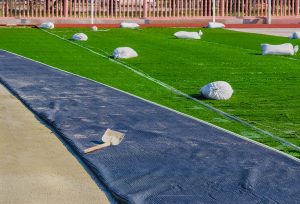
1. Site Preparation
- Remove existing grass, soil, or debris and create a level base.
- Add a compacted sub-base of crushed stone or sand for drainage and stability.
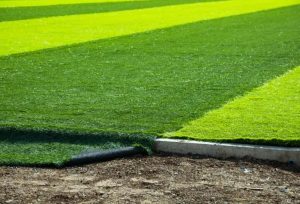
2. Laying the Turf
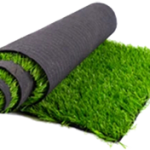
- Roll out the turf carefully and allow it to acclimate for 24-48 hours.
- Trim the edges for a perfect fit.
3. Securing the Turf
- Use landscaping nails, adhesive, or edging systems to secure the turf.
4. Adding Infill
- Spread infill evenly across the surface to support the blades and enhance performance.
5. Brushing and Finishing
- Brush the turf fibers to ensure an upright, natural appearance.
Conclusion
Customized turf offers endless possibilities for transforming spaces into functional, beautiful, and sustainable areas. Whether you’re designing a sports field, revitalizing a residential lawn, or creating a standout commercial space, tailored artificial grass delivers unmatched versatility.