When considering artificial grass for your lawn, sports field, or landscape project, one crucial factor to take into account is drainage performance. Proper drainage ensures that your synthetic turf remains functional, durable, and aesthetically pleasing for years to come. In this blog post, we will explore why drainage is essential for artificial grass, how it works, and what to look for when selecting turf for your specific needs.
Why Drainage Matters
Artificial grass has evolved significantly over the years, offering a low-maintenance, durable, and visually appealing alternative to natural grass. However, without proper drainage, artificial grass can quickly lose its advantages. Here are a few reasons why drainage is so critical:
- Prevents Waterlogging: Poor drainage can lead to water accumulation on the surface of the grass, which can make your turf soggy, slippery, and unattractive. Over time, standing water can damage the backing of the grass, reduce its lifespan, and create breeding grounds for bacteria and algae.
- Ensures Longevity: Artificial grass with proper drainage helps avoid issues such as degradation of fibers, foul odors, and potential mold growth. This ensures that your turf retains its aesthetic value and performance characteristics for much longer.
- Maintains Usability: Good drainage allows the turf to dry quickly after rainfall or watering, ensuring that it is ready to use in a short amount of time. This is especially important for sports fields and playgrounds where continuous activity is expected.
How Drainage Works in Artificial Grass
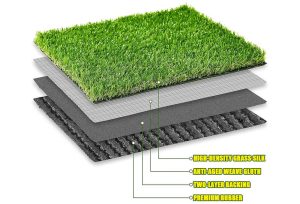
When artificial grass is installed, it must be laid over a well-prepared base that promotes proper water flow. Typically, the drainage process involves several layers designed to channel excess water away from the turf surface:
- Base Layer: A solid, well-compacted base layer of crushed stone or gravel allows water to flow freely beneath the turf. This layer helps prevent water from pooling and ensures that it is quickly absorbed into the ground.
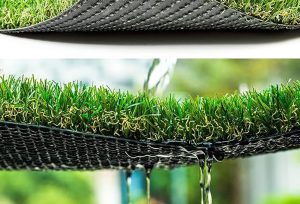
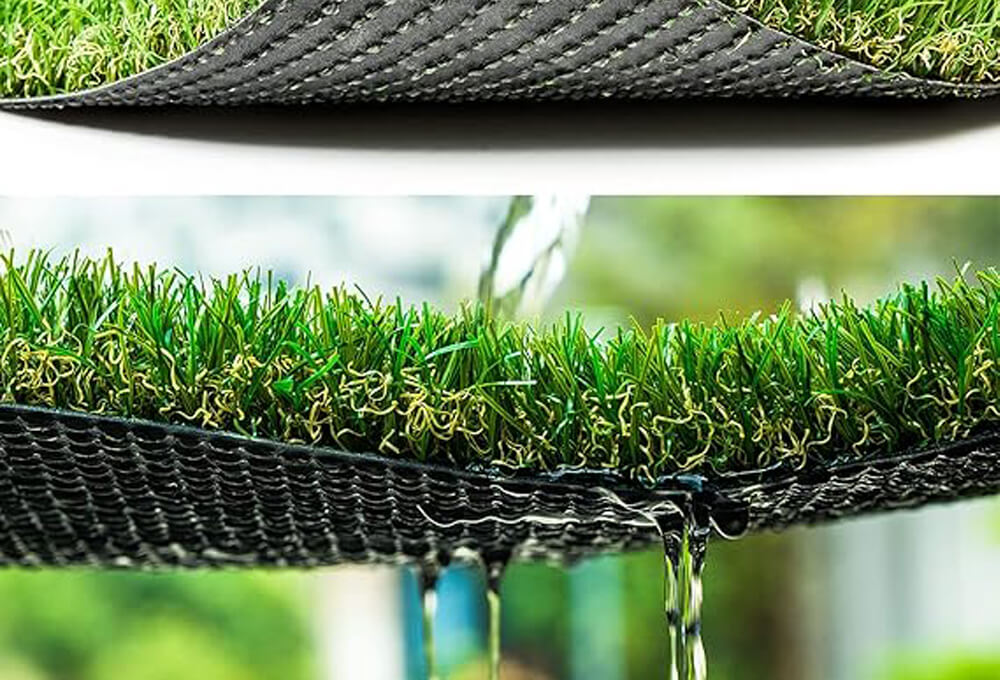
- Drainage Holes: Most modern artificial grass products feature drainage holes at regular intervals along the backing. These holes allow water to flow through the turf and into the base layer, where it can be absorbed and carried away.
- Permeable Backing: The backing material of high-quality synthetic turf is designed to be permeable, meaning that water can pass through it without being obstructed. This is essential for ensuring that water flows through the grass and into the drainage system.
- Proper Slope: Artificial grass should be installed with a slight slope to facilitate drainage. A well-planned slope ensures that water naturally flows away from high-traffic areas and does not pool on the surface.
Key Considerations for Drainage in Artificial Grass
While most artificial grass systems are designed with drainage in mind, there are still several factors to consider when selecting the right turf for your project:
- Climate: If you live in an area with frequent rainfall or high humidity, ensure that the turf you select has excellent drainage properties. In such climates, a higher permeability turf with larger drainage holes may be necessary to handle excess water.
- Purpose of the Turf: Sports fields, playgrounds, and pet areas typically require faster drainage to maintain usability. Ensure that your turf is designed with the appropriate drainage capacity for your intended use.
- Installation Quality: Proper installation is key to achieving optimal drainage. Ensure that the installer prepares the ground, base layers, and slope to encourage water flow. Even the best quality turf will not perform well if the installation is subpar.
- Maintenance: While artificial grass requires much less maintenance than natural grass, periodic cleaning and clearing of debris are necessary to keep the drainage system functioning properly. Leaf litter, dirt, and other debris can clog drainage holes and prevent proper water flow.
Conclusion
Effective drainage is an essential aspect of artificial grass performance. It not only ensures that your turf remains free from water damage but also guarantees that it stays functional and visually appealing for years. Whether you’re choosing turf for a residential garden, sports field, or commercial space, be sure to prioritize drainage performance in your selection process. With the right drainage system, your artificial grass will continue to provide a beautiful, durable, and usable surface, no matter the weather.