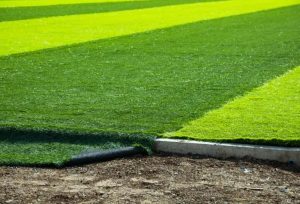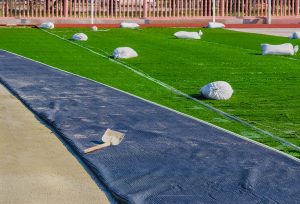
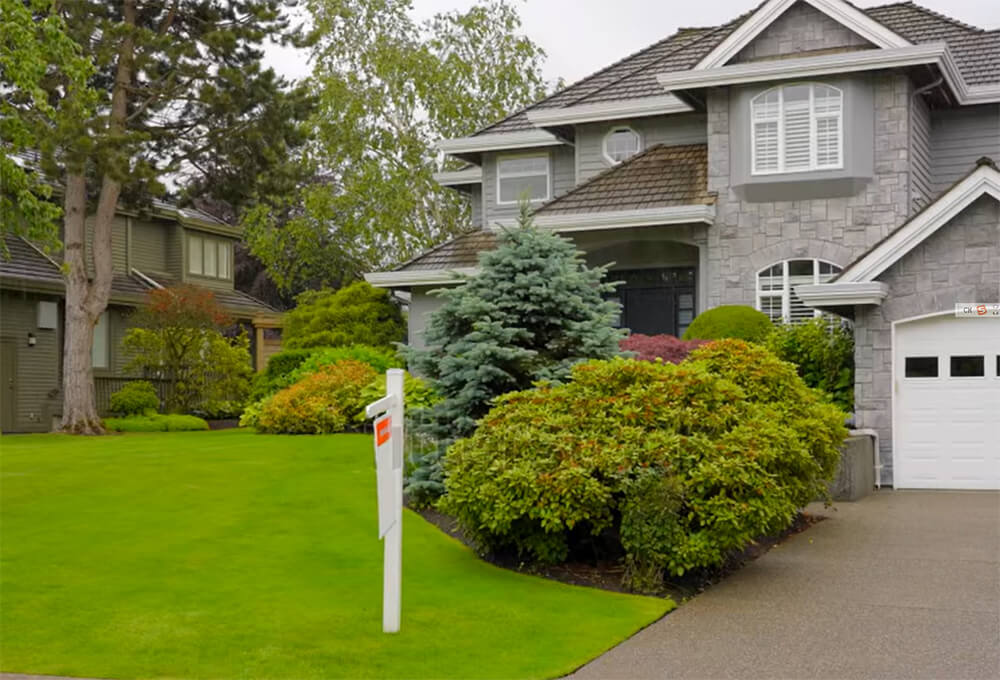
When choosing a landscaping solution, one of the key considerations for homeowners, businesses, and sports facilities is weather durability. Extreme weather conditions—from scorching heat and heavy rainfall to freezing temperatures and prolonged droughts—can wreak havoc on natural grass. In contrast, artificial turf stands as a resilient and versatile alternative, built to endure harsh climates without compromising its appearance or functionality. Here, we explore how artificial turf thrives in extreme climates and challenging weather conditions.
Resilience Against Heat and Sun Exposure
In regions with intense sunlight and high temperatures, natural grass often struggles to survive. Artificial turf, however, is engineered to resist UV rays, preventing discoloration and degradation over time. Advanced manufacturing processes incorporate UV inhibitors into the fibers, ensuring the turf maintains its vibrant color and structural integrity even under prolonged exposure to the sun. Additionally, modern artificial turf systems are designed with heat-reflective properties to minimize heat retention, making the surface safer and more comfortable to use.
Withstanding Heavy Rain and Flooding
Excessive rainfall can lead to waterlogged natural lawns, turning them into muddy, unusable spaces. Artificial turf features a superior drainage system that allows water to flow through the backing material quickly and efficiently. This design ensures that the surface remains dry and ready for use shortly after heavy rain, reducing downtime for sports fields and recreational areas. Furthermore, the absence of soil in artificial turf eliminates the risk of erosion and muddy patches, providing a consistently clean and functional surface.
Performance in Freezing Temperatures
Cold climates pose unique challenges for natural grass, such as frost damage and dormancy, leading to brown, brittle lawns. Artificial turf, on the other hand, remains unaffected by freezing temperatures. High-quality turf products are manufactured using durable materials that retain their flexibility and strength even in sub-zero conditions. As a result, artificial turf provides a green, lush appearance year-round, regardless of the weather.
Drought Tolerance and Water Conservation
In arid regions or areas experiencing water restrictions, maintaining a natural lawn can be both challenging and unsustainable. Artificial turf offers a practical solution by eliminating the need for irrigation. Not only does this save water, but it also reduces maintenance costs associated with watering, fertilizing, and mowing. For homeowners and businesses seeking eco-friendly landscaping options, artificial turf is a clear winner in water conservation.
Resistance to Wear and Tear from Weather Extremes
Whether it’s heavy foot traffic during the rainy season or the drying effects of prolonged summer heat, artificial turf is designed to endure wear and tear caused by weather extremes. The robust construction of synthetic fibers ensures that the turf remains resilient under pressure, making it ideal for sports fields, playgrounds, and high-traffic areas.
A Reliable Solution for All Climates
The adaptability of artificial turf to diverse climatic conditions makes it a popular choice worldwide. From hot deserts to snowy landscapes, artificial turf provides a dependable and aesthetically pleasing surface that withstands the elements. Its low-maintenance nature and long lifespan further enhance its appeal, offering property owners peace of mind and significant cost savings over time.
Conclusion
Artificial turf is more than just a substitute for natural grass; it is a weather-resilient solution designed to meet the demands of modern living. Its ability to thrive in extreme climates and weather challenges ensures that it remains a top choice for landscaping and sports applications. Whether you’re dealing with scorching summers, heavy rains, or freezing winters, artificial turf offers a durable, sustainable, and visually appealing alternative that stands the test of time.