Artificial lawns have become increasingly popular as a low-maintenance, eco-friendly alternative to natural grass. One of the most common questions potential buyers have is: how long does an artificial lawn last when installed outdoors? Let’s explore the factors that influence its lifespan and how to maximize your investment.
Average Lifespan of Artificial Lawns
High-quality artificial lawns typically last between 10 to 20 years when installed outdoors. This impressive durability makes them a worthwhile investment for both residential and commercial properties. However, the actual lifespan can vary based on factors such as material quality, usage, and maintenance.
Factors That Affect the Longevity of Artificial Lawns
1. Material Quality
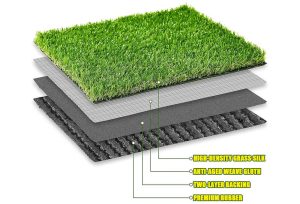
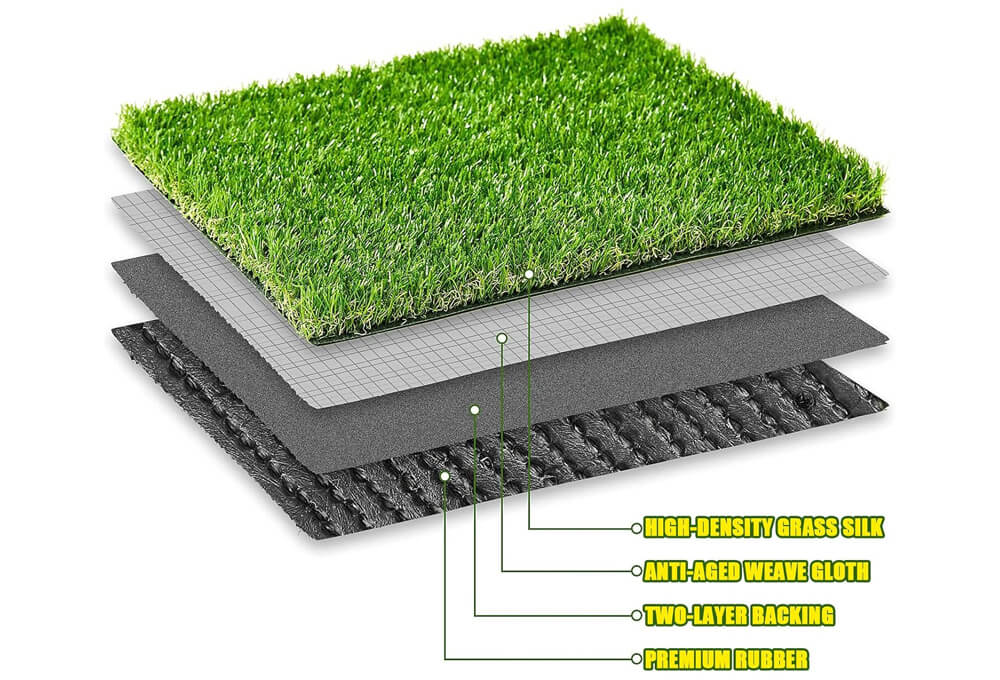
The type of materials used in the production of artificial grass plays a crucial role in its durability. Premium synthetic lawns are made from polyethylene, polypropylene, or nylon fibers that are UV-stabilized to withstand sunlight and resist fading. Lower-quality products may degrade faster, especially in harsh weather conditions.
2. Usage
The amount of foot traffic or activity the lawn endures will directly affect its lifespan. For example, artificial turf used in a backyard with minimal activity will last longer than one installed on a sports field or playground that experiences heavy use.
3. Climate Conditions
Extreme weather, such as intense heat, heavy rain, or freezing temperatures, can impact the longevity of artificial grass. UV protection is essential for lawns in sunny climates, while proper drainage systems are crucial in regions with heavy rainfall.
4. Maintenance
Although artificial lawns require less upkeep than natural grass, regular maintenance can extend their lifespan. Removing debris, brushing the fibers to prevent matting, and checking the infill levels are simple steps that can keep your lawn looking its best for years.
Tips to Prolong the Lifespan of Your Artificial Lawn
- Choose High-Quality Grass: Investing in premium artificial turf ensures better durability and resistance to wear and tear.
- Professional Installation: Proper installation prevents issues like uneven surfaces or poor drainage, which can shorten the lifespan of your lawn.
- Regular Cleaning: Clean your lawn regularly to prevent the buildup of dirt, debris, and mold.
- Address Repairs Promptly: Fix any damages, such as tears or loose edges, as soon as possible to prevent them from worsening.
- Limit Heavy Usage: If possible, designate high-traffic areas for pathways or install protective mats to reduce wear.
When to Replace Artificial Lawn
Signs that it might be time to replace your artificial lawn include:
- Significant fading or discoloration
- Flattened or matted fibers that no longer spring back
- Visible damage, such as tears or frayed edges
- Deterioration of the backing material
- Poor drainage leading to pooling water
Conclusion
With proper care and maintenance, artificial lawns can provide a lush, green appearance for up to two decades. By choosing high-quality materials and ensuring proper installation, you can maximize the lifespan of your lawn and enjoy a beautiful, hassle-free outdoor space for years to come. Whether for a residential garden or a commercial project, artificial turf is a durable and cost-effective solution that stands the test of time.