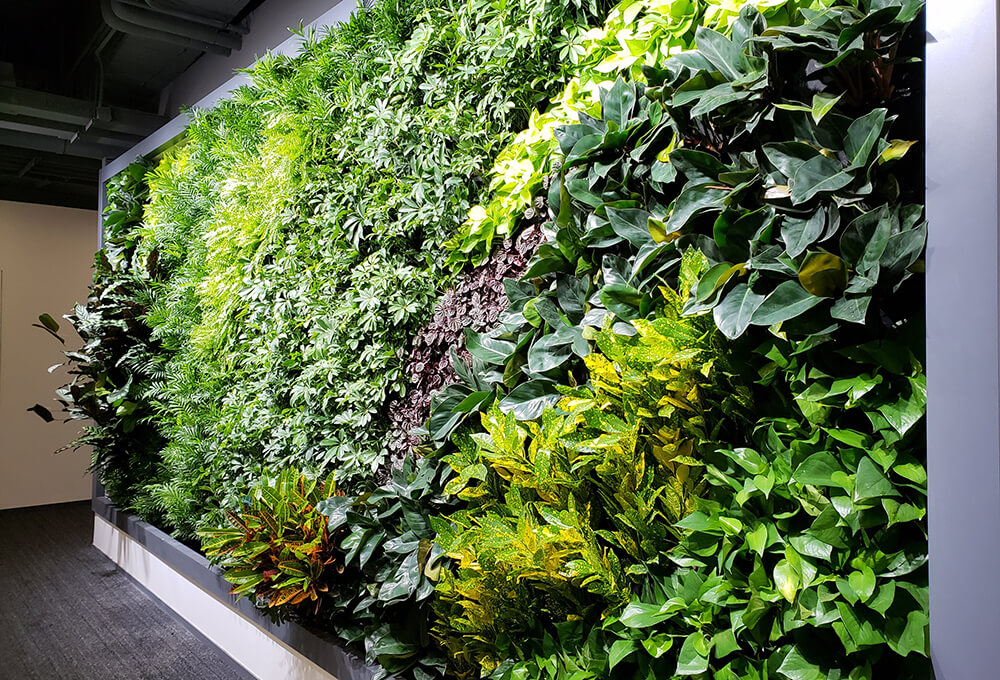
In today’s fast-paced world, maintaining a lush, green environment at home or in the office can be challenging. Whether it’s due to a lack of natural light, a busy lifestyle, or simply not having a green thumb, artificial plants are an excellent solution to bring nature indoors without the hassle of traditional plant care. With their realistic appearance and low-maintenance qualities, artificial plants have become a go-to choice for homeowners, decorators, and businesses alike.
In this blog post, we’ll explore how you can create stunning spaces with artificial plants, from selecting the right plants to styling them for maximum impact.
1. Choose the Right Artificial Plants
The first step in creating a stunning space with artificial plants is choosing the right ones. With so many options available, it’s essential to select plants that match the style and vibe of your space. Consider the following when choosing artificial plants:
a. Match Your Décor Style
Different styles call for different types of plants. For example:
- Modern/Minimalist: Opt for sleek, sculptural plants like succulents, snake plants, or aloe vera.
- Boho/Coastal: Palms, ferns, and monstera plants fit perfectly into these relaxed, earthy aesthetics.
- Traditional/Classical: Topiary plants or boxwoods are great for formal and classic spaces.
b. Scale and Size Matter
When selecting artificial plants, consider the size of your space. Large plants like artificial rubber trees or fiddle leaf figs work well as statement pieces in spacious rooms. For smaller rooms or apartments, opt for smaller potted plants or hanging planters. Ensuring the plant’s scale complements the room will help maintain balance and harmony.
c. Realistic Appearance
One of the primary advantages of artificial plants is their ability to mimic real greenery. Look for high-quality plants made from materials like silk, polyester, or polyethylene that give them a more lifelike appearance. Pay attention to details like the color, texture, and veins of the leaves, as well as the overall shape of the plant. The more realistic, the better.
2. Styling Your Artificial Plants
Once you’ve chosen the right plants, it’s time to incorporate them into your space. Here are a few tips on how to style your artificial plants for maximum impact:
a. Create a Focal Point
Large artificial plants, like fiddle leaf figs or palms, can serve as a stunning focal point in a room. Place them in a corner or beside a statement piece of furniture to draw the eye and create a sense of balance in the space.
b. Group Plants Together
When in doubt, grouping artificial plants together can create a dynamic, layered look. Vary the heights and sizes of the plants to add depth and dimension. Consider placing plants in different types of containers, such as modern ceramic pots, rustic baskets, or elegant planters, to create visual interest.
c. Use Plants to Fill Empty Spaces
Artificial plants are perfect for filling empty spaces, whether it’s a bare corner, an unused shelf, or a blank wall. For a polished look, try pairing plants with complementary elements like candles, books, or decorative trays. Hanging plants can also work wonders in smaller spaces or areas where floor space is limited.
d. Incorporate Artificial Plants into Unexpected Places
Artificial plants can be used in places where natural plants might not thrive. For example:
- Bathrooms: Artificial succulents or ferns thrive in bathrooms without the need for natural light and humidity.
- Kitchen: Small potted herbs (real or artificial) can add a touch of greenery to kitchen counters.
- Offices: Fake plants like bamboo or peace lilies can liven up a dreary office space, creating a calm and refreshing atmosphere.
3. Maintenance Tips for Artificial Plants
One of the most significant advantages of artificial plants is their low maintenance. However, they do require some basic care to keep them looking their best:
a. Dust Regularly
Artificial plants tend to attract dust, which can make them look dull and dirty. Use a soft cloth, duster, or a can of compressed air to gently remove dust from the leaves. For stubborn dust or dirt, a damp cloth can be used. Be careful not to damage the plant’s leaves.
b. Wash When Necessary
Some artificial plants, especially those with more intricate or textured leaves, may accumulate grime over time. If needed, gently wash the leaves in warm soapy water, and allow them to air dry completely before placing them back.
c. Avoid Direct Sunlight
Although artificial plants won’t fade or die from lack of sunlight, long exposure to direct sunlight can cause the colors to fade over time. To keep them looking vibrant, place them in areas with indirect or filtered light.
4. Benefits of Using Artificial Plants
Incorporating artificial plants into your space doesn’t just improve the aesthetics—it offers numerous practical benefits:
- Low Maintenance: No need for watering, pruning, or re-potting.
- Allergy-Friendly: Ideal for people with allergies, as they don’t release pollen or spores.
- Long-Lasting: High-quality artificial plants can last for many years with proper care.
- Versatile: You can place them anywhere, whether it’s a low-light area, a high-traffic space, or a windowless room.
Conclusion
Artificial plants are a fantastic way to enhance the beauty of any space, offering a touch of nature without the hassle of maintenance. By selecting the right plants and styling them thoughtfully, you can create a welcoming, vibrant environment that feels fresh and alive. Whether you’re a busy professional, a homeowner with no time for plant care, or simply someone looking for an easy way to spruce up your décor, artificial plants can help you achieve a stunning, green-filled space.
Start adding some artificial greenery to your home or office today and enjoy the natural beauty all year round!