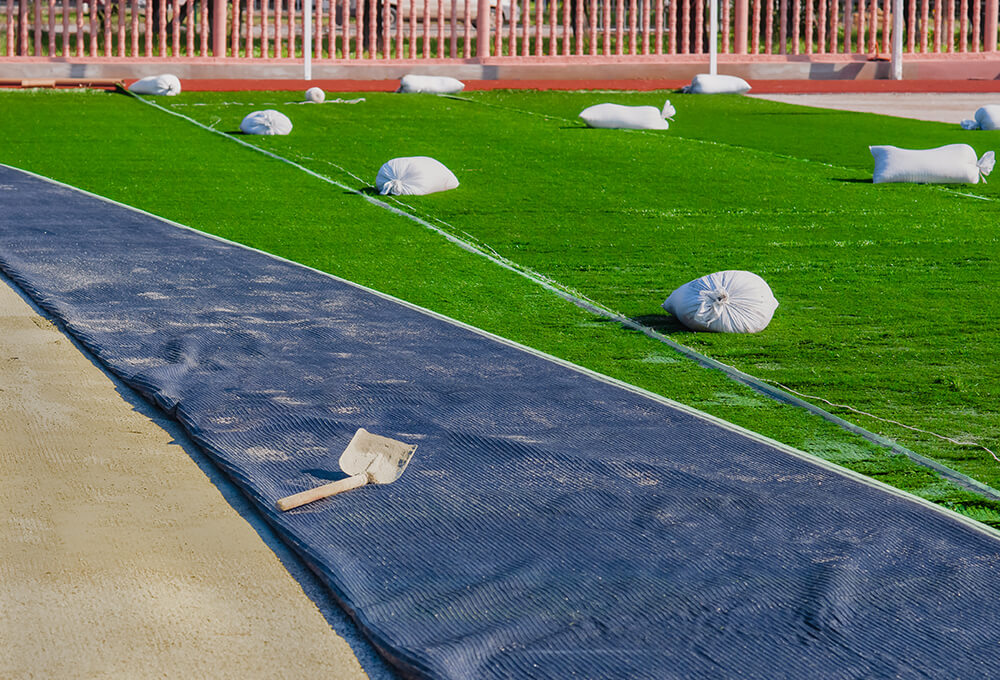
Artificial grass has become a popular choice for residential and commercial landscaping due to its durability, low maintenance, and lush appearance. However, the success of your installation depends largely on the surface you’re working with. Whether it’s soil, concrete, decking, or another base, here are some tips to ensure a smooth and professional installing artificial grass on different surfaces.
1. Preparing Soil Surfaces
When installing artificial grass on soil, proper groundwork is essential to avoid future issues like uneven surfaces or weed growth.
- Remove Existing Vegetation: Clear all grass, plants, and debris from the area.
- Level the Ground: Use a rake or leveling tool to create an even surface. Fill any dips with sand or crushed stone.
- Install a Weed Barrier: Lay a geotextile weed membrane to prevent weed growth beneath the artificial grass.
- Compact the Base: Use a vibrating plate compactor to create a firm base. This step is crucial for achieving a smooth finish.
- Apply Sand or Gravel: Add a layer of sharp sand or crushed gravel to improve drainage and stability.
2. Laying on Concrete
Concrete is an excellent base for artificial grass, but it requires specific preparation to ensure proper adhesion and comfort.
- Clean the Surface: Remove any dirt, grease, or debris from the concrete. A clean surface ensures better adhesion.
- Add an Underlay: Install a foam underlay to add cushioning and improve drainage. This step enhances comfort and protects the artificial grass.
- Secure the Grass: Use outdoor adhesive or double-sided tape to fix the artificial grass in place. Ensure the edges are firmly secured to prevent lifting.
3. Installing Over Decking
Decking surfaces can be transformed into lush, green spaces with artificial grass. However, you’ll need to address the gaps and ensure proper drainage.
- Inspect the Decking: Ensure the decking boards are in good condition and free of rot or damage.
- Install a Sub-Base: Lay a geotextile membrane or plywood sheet to cover the gaps between decking boards. This prevents the grass from sagging.
- Fix the Grass Securely: Use screws, clips, or adhesive to hold the grass in place. Focus on securing the edges and corners.
4. Placing on Gravel or Crushed Stone
Gravel and crushed stone surfaces are commonly used for artificial grass installations, as they provide excellent drainage.
- Level the Base: Rake the gravel or stone to create a smooth and even surface.
- Compact the Material: Use a plate compactor to ensure the base is firm and stable.
- Install a Weed Membrane: Prevent weed growth by laying a geotextile membrane before placing the artificial grass.
5. Key General Tips
Regardless of the surface, keep these general tips in mind:
- Choose the Right Grass: Select an artificial grass type that suits your intended use, whether it’s for heavy foot traffic, pets, or decorative purposes.
- Ensure Proper Drainage: Poor drainage can lead to water pooling. Address this during the preparation stage by creating a slope or adding drainage layers.
- Secure the Edges: Loose edges can create tripping hazards. Use nails, adhesive, or clips to ensure all edges are firmly attached.
- Brush the Grass: After installation, use a stiff brush to lift the fibers for a natural look.
6. Conclusion
By following these tips, you can achieve a durable and visually appealing artificial grass installation, no matter the surface. Proper preparation and attention to detail are key to enjoying a low-maintenance, green space for years to come.