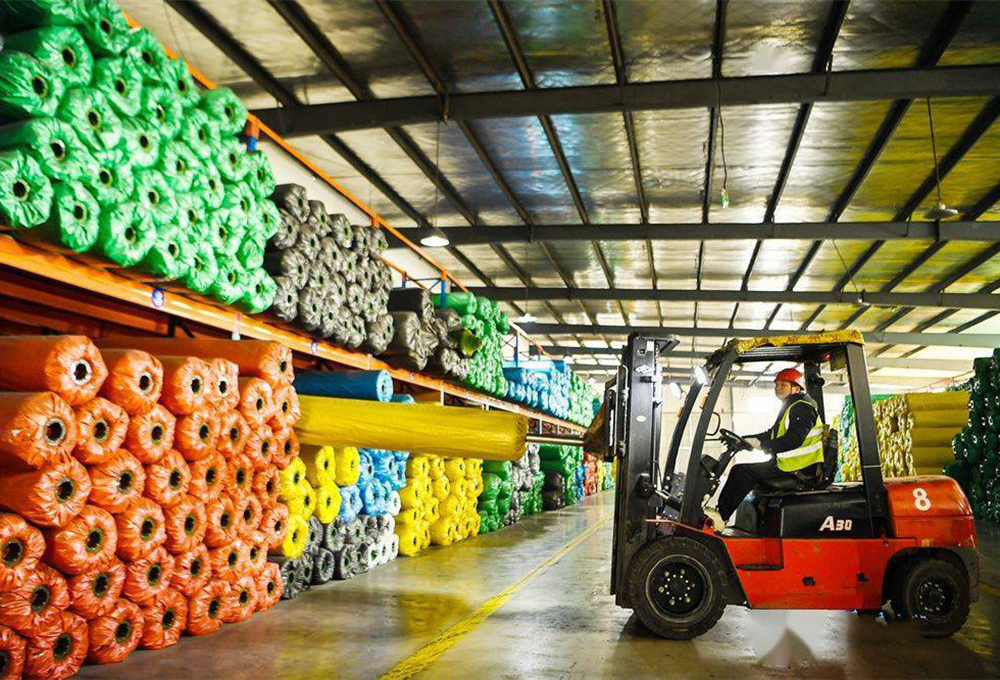
China has emerged as a leading exporter of artificial turf, offering high-quality products at competitive prices. For businesses or individuals looking to import turf, understanding the cost structure is essential for effective planning and decision-making. In this comprehensive guide, we will explore the key factors that influence the cost of importing turf from China. These factors include product specifications, raw material costs, shipping and logistics, international tariffs, supplier choices, quality control, and hidden expenses. By addressing each factor in detail, you can optimize your budget and ensure a smooth importation process.
1. Product Specifications
The cost of artificial turf primarily depends on the specifications of the product. Various elements, such as pile height, density, backing material, and yarn quality, play a significant role in determining the overall price.
1.1 Pile Height
Pile height refers to the length of the grass blades. Taller blades generally cost more because they require additional raw materials. For example:
- 20-30 mm: Suitable for landscaping and home gardens; more affordable.
- 40-50 mm: Common for sports fields and premium landscaping; moderately priced.
- 60+ mm: Often used for professional sports fields; the most expensive option.
Choosing the right pile height depends on the intended application and budget.
1.2 Density
The density of artificial turf refers to the number of stitches per square meter. A higher density results in more durable and natural-looking grass but also increases the cost:
- Low Density (10,000-12,000 stitches/m²): Basic quality, lower cost.
- Medium Density (12,000-16,000 stitches/m²): Good for residential lawns and commercial use.
- High Density (16,000-20,000+ stitches/m²): Premium quality, often used in high-traffic areas and professional sports fields.
1.3 Yarn Material and Quality
Yarn is a critical component of artificial turf, and its type and quality directly influence the cost:
- Polyethylene (PE): Soft, natural-looking, ideal for residential and landscaping purposes.
- Polypropylene (PP): Cheaper but less durable, commonly used for temporary or decorative installations.
- Nylon: Strong and resilient but expensive, often used for sports fields and premium applications.
Higher-quality yarn, which offers better UV protection, durability, and color retention, will cost more.
1.4 Backing Material
The backing material provides structure and stability to the turf. Options include:
- Latex Backing: Affordable and widely used.
- Polyurethane (PU) Backing: More expensive but offers better durability and weather resistance.
2. Raw Material Costs
The cost of raw materials used in manufacturing artificial turf significantly affects its overall price. Raw material costs in China are influenced by global oil prices, supply chain dynamics, and local manufacturing conditions.
2.1 Oil Prices
Artificial turf production relies on synthetic fibers derived from petroleum products. Fluctuations in global oil prices directly impact the cost of polyethylene, polypropylene, and nylon yarns. For example:
- Rising oil prices = Increased yarn costs = Higher turf prices.
- Falling oil prices = Reduced yarn costs = Lower turf prices.
2.2 Supply Chain Conditions
China’s robust supply chain ensures stable production, but disruptions such as labor shortages, power outages, or raw material scarcity can increase production costs. Monitoring the supply chain will help predict potential cost changes.
3. Shipping and Logistics
Shipping costs are one of the most significant components of the total cost when importing turf from China. Understanding the various factors influencing shipping costs is crucial for accurate budgeting.
3.1 Shipping Methods
The shipping method you choose will significantly impact the cost:
- Sea Freight: Most cost-effective for bulk orders but has longer delivery times (20-40 days).
- Air Freight: Faster but considerably more expensive; suitable for urgent orders.
- Rail Freight: Increasingly popular for shipments between China and Europe, offering a balance of cost and speed.
3.2 Container Size and Weight
Turf is often shipped in rolls, which occupy significant space. Shipping costs depend on the size and weight of your order:
- 20-Foot Container: Can hold approximately 3,000-4,000 m² of turf.
- 40-Foot Container: Can hold approximately 6,000-8,000 m² of turf.
3.3 Incoterms
Incoterms define the responsibilities of buyers and sellers regarding shipping and delivery costs. Common terms include:
- FOB (Free on Board): The seller delivers goods to the port; the buyer covers shipping.
- CIF (Cost, Insurance, Freight): The seller covers shipping and insurance costs.
- EXW (Ex Works): The buyer is responsible for all transportation costs from the factory.
Choosing the right Incoterm can significantly impact your overall expenses.
4. Customs Duties and Tariffs
International tariffs and customs duties are another critical cost factor. These fees vary depending on the importing country, trade agreements, and product classification.
4.1 Tariff Rates
Each country has specific tariff rates for artificial turf, which are typically classified under HS Code 570330. Examples include:
- United States: 5-10% tariff, depending on trade relations.
- European Union: Generally 3-6%.
- Australia: Low or zero tariffs for certain trade agreements.
4.2 Anti-Dumping Duties
In some cases, importing countries may impose anti-dumping duties on Chinese products to protect domestic manufacturers. Researching these policies beforehand will help avoid unexpected costs.
4.3 Import Taxes and VAT
Many countries impose import taxes or VAT (Value-Added Tax) on goods entering the country. For example:
- EU VAT: Typically ranges from 19-25%.
- Australia GST: 10% on imported goods.
5. Supplier Choices
Choosing the right supplier in China is key to balancing quality and cost. Factors to consider include reputation, production capacity, and certifications.
5.1 Manufacturer vs. Trading Company
- Direct Manufacturers: Offer lower prices but may have minimum order quantities (MOQs).
- Trading Companies: Act as intermediaries, providing more flexibility but often at higher prices.
5.2 Supplier Reputation
Selecting a reliable supplier ensures quality products and smooth transactions. Look for suppliers with:
- Positive reviews and ratings on platforms like Alibaba or Global Sources.
- Certifications such as ISO 9001, CE, or SGS.
5.3 Negotiation and MOQs
Suppliers may offer better pricing for larger orders. Negotiating effectively on MOQs can result in significant cost savings.
6. Quality Control and Inspection
Ensuring the quality of your imported turf is essential to avoid costly mistakes and disputes. Quality control expenses include factory inspections, pre-shipment checks, and third-party testing.
6.1 Factory Audits
Conducting a factory audit verifies the supplier’s capabilities, ensuring they can meet your specifications.
6.2 Pre-Shipment Inspection
A pre-shipment inspection ensures that the final products meet agreed-upon quality standards. Hiring third-party inspection agencies like SGS or TÜV can cost between $300-$500 per shipment.
7. Hidden Costs
Several hidden costs can impact the total cost of importing artificial turf:
- Storage Fees: If your shipment is delayed, you may incur warehousing costs at the port.
- Currency Exchange Rates: Fluctuations in exchange rates can affect payments.
- Insurance: Shipping insurance protects against damages but adds to costs.
8. Tips to Optimize Costs
To ensure a cost-effective importing process, follow these tips:
- Consolidate Orders: Larger shipments reduce shipping costs per square meter.
- Compare Suppliers: Request quotes from multiple suppliers to get the best deal.
- Choose the Right Incoterms: Understand which terms best suit your needs.
- Monitor Shipping Rates: Plan shipments during periods of low demand to save on freight costs.
- Negotiate Payment Terms: Opt for favorable payment terms, such as T/T or L/C, to manage cash flow.
Conclusion
Importing artificial turf from China offers significant opportunities for cost savings, but understanding the factors influencing pricing is essential. By carefully considering product specifications, raw material costs, shipping logistics, tariffs, supplier choices, and quality control measures, you can optimize expenses and ensure a successful importation process. With proper planning, strategic supplier selection, and efficient logistics management, importing turf from China can be a smooth and profitable venture.